
Having the Schengen Area is making history for the EU.In 1985 Schengen started regulating the cooperation of its 29 member states through the removal of internal border controls and the free movement of people.Furthermore, the integration of the services and goods of the associated countries and the removal of the border controls for people has restructured the economy, cultures, societies, and politics of the EU.Schengen`s innovation was establishing a free service, goods, and people movement area, without internal border controls.It is a fundamental component for the integration of the 29 member states.Since 1985 collaboration has provided more advantages than delays.In this post I`m going to talk about the social, economic, and political advantages Schengen has provided for the EU.
People traveling to Schengen Area member states will be able to travel freely within the area.This means that digital nomads and workers who need to travel for work will be able to move about the Schengen area without the hassle of border checks.There will be significant consequences for this.
Borderless commute: People can live in one state and work in any of the Schengen member states.This increases and simplifies job opportunities for people within Europe.
Natural travel: The level of travel within Europe, to places like Paris, Berlin, Madrid, and Rome, which travel can be done in Europe without checking passports, stopping for border control, or checking borders.
Cultural exploration: The ease of movement allows individuals to experience the rich diversity of cultures, languages, and traditions within Europe.Tourists, students, and professionals can easily visit different countries, enriching their understanding of Europe as a whole.
The Schengen Area fosters European presence and interconnectedness by enabling free internal travel.Specifically Schengen user countries offer their nationals the right to travel and live anywhere and they can build people to people connectedness.
The Schengen area has removed borders within Europe, creating a high degree of social and cultural integration.Simply put, the Schengen area has made it easier for people within the area to travel, increasing social interaction between the people of Europe and the surrounding areas.
Cultural exchange
The ability to move throughout the area has high levels of cultural exchange.This allows people from completely different backgrounds to interact and exchange traditions.This leads to a highly integrated and culturally diverse area.
Educational and career opportunities
There have been persistent opportunities for the exchange of knowledge and skills and for the flow of labor in the Schengen zone.This results in a more flexible labor market, and workers in the Schengen zone can benefit from an enhanced flow of opportunities.Additionally, an exchange of skills and training enhances the potential of the European economy as a whole.
A growing European identity
Freedom of movement has a direct impact on the way people identify in relation to one another.Schengen has created a sense of European identity, where people feel connected to each other regardless of the political boundaries that exist. Breaking down the physical boundaries in the Schengen zone has also created psychological barriers that are associated with increased openness and collaboration.
The Area’s economic effects, especially the removal of the internal borders, enabling the free circulation of workers, products and services, is becoming enormously important for Europe.
Tourism increase
The removal of the borders has resulted in a huge increase in tourism.Tourists are now able to travel and spend in hotels, restaurants, transportation services and attractions in many countries.The internal travel features adds to the attraction of Europe as a tourism destination.
Trade and logistics enhancement
Without the internal borders, companies that require the constant movement of their goods and services across the borders have greatly benefited.Shipping and transport networks have become more effective and companies can move their products across countries without delays.This allows a rapid provision of goods to the market, which reduces the operational costs, especially important for industries that rely on just in time manufacturing and logistics.
Business and investment opportunities
The Schengen Area’s borderless travel has encouraged positive business activity across the region.Entrepreneurs can travel freely across the region and open or grow cross border businesses.On the other hand, a Schengen unified market with lower barriers to trade has become a potential target for investment.With less regulations, multinational companies can optimize their operations to enter new markets and promote innovation.
Lastly, the economic advantages of Schengen go beyond the business sector, and have fostered greater overall prosperity for Europe and a stronger competitive position in the world.
Although Schengen Area’s members can travel freely among the countries, Schengen still has to consider the potential risks to security.Schengen has to balance the risks with the security of its members. Schengen has created a security partnership with its members, which focuses on the sharing of security responsibilities.Schengen has achieved a robust system of security, which balances the freedoms of the members with the needs for enhanced protective measures.
Schengen information system: The Schengen Information System (SIS) is a vital component in providing security to all the members of the Schengen Area.SIS is a customizable security database and system that helps Schengen member states to keep track of the criminal activities and records of persons, theft, and other criminal activities that may pose a risk to the security of the member states.There is security database access for various enforcement agencies in throughout Europe, which aids in answering security questions and helps to prepare for and respond to criminal activities.
Joint external border management: Schengen’s internal borders may be open, but its members operate on external border control and monitoring collectively, which means that they all observe the same security measures for border control on potential entrants to the Schengen Area.Schengen’s external border control and monitoring means that its members have enhanced control over legal and illegal immigrant entry while still preserving the ability for individuals to move freely across member state borders.
Schengen zone police collaboration: The Schengen area has developed the first formal security collaboration system in the world, which enables police from different nations to work together closely, chase suspects across borders, conduct cross border joint operations, and exchange information in real time.The Schengen area, which is the world’s largest zone of free movement, integrates police collaboration across borders with the free movement of people.Schengen has ensured that the integration of free movement and police cooperation is carried out in a responsible manner by developing a robust security system that balances the risks associated with open borders, while positively impacting the overall security of the Schengen countries.
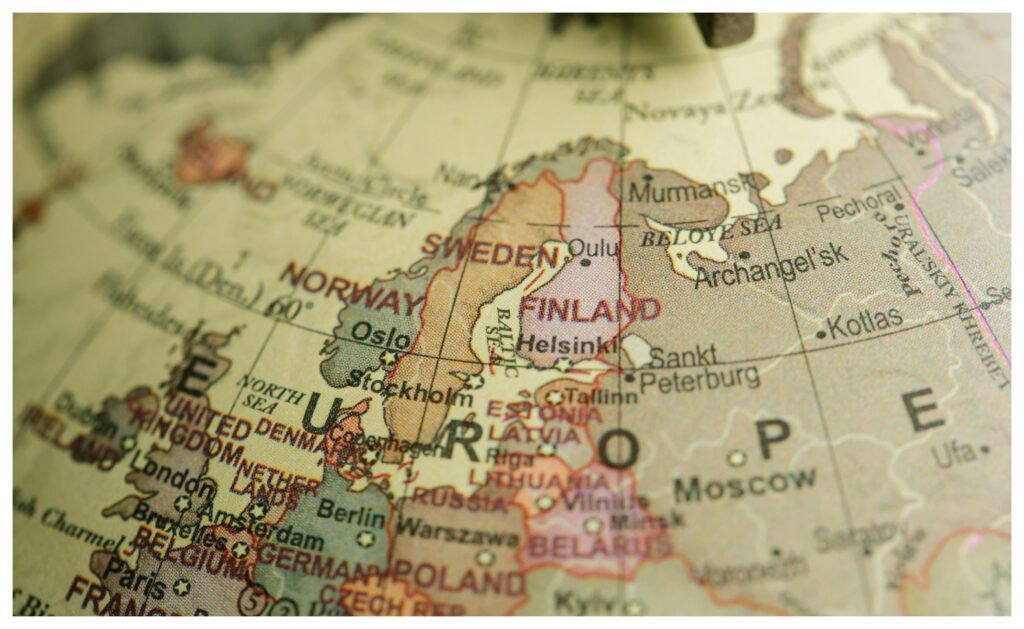
The Schengen Visa system is a big plus for non European nationals, as it enables free movement for its holders across the Schengen zone, which is a significant advantage for non European nationals, as it enables free movement for its holders across the Schengen zone.This system also provides a number of advantages for tourists, business people, and students, since they are able to travel across Europe with just one visa, rather than apply for a visa for every individual country.This, in turn, reduces the amount of time and effort associated with travel to Europe.The removal of borders within the Schengen area facilitates a greater degree of movement throughout the area.This allows a greater degree of movement to and within Europe for people from all over the world.This leads to increased cultural diversity throughout the area
Small and medium sized enterprises are the backbone of an economy.The Schengen Area has provided a variety of benefits to SMEs:
Less border delays: SMEs that engage in cross border trade have increased operational efficiency due to the absence of delays associated with border controls.
Streamlined travel: Employees and business owners can easily cross borders to attend meetings, conferences, and network.
Access to new markets: SMEs can now trade in all Schengen member countries without customs and border hassles, offering new prospects for development and international trade.
The Schengen Area is immensely beneficial for small businesses, fostering innovation and expansion by enhancing trade and free cross-border movement.
The Schengen Area is a historical milestone in modern European history, offering borderless travel, increased economic partnership, safety, and cultural interaction.Although there are still problems to solve, the positive effects of Schengen are dominating.It shows what is possible when states collaborate.The Schengen Area has changed how Europeans work and live, but it has also significantly impacted how Europe engages with the world.
Trust World Key Tours for complete travel services from the UK. From visa assistance to flights, hotels, and holiday packages, we make your trip smooth and secure.